
Tidyman — Dispose Responsibly
The person putting rubbish into a bin reminds people to dispose of waste responsibly and avoid littering.
Contributor listed in source · CC0 Free toolsMy collection0
Identify everyday packaging symbols, understand their meaning and find the right artwork source.
120 guides
Try the shape, a word printed on the symbol, or browse another family.
Where it goes after use.
The person putting rubbish into a bin reminds people to dispose of waste responsibly and avoid littering.
Contributor listed in source · CC0
The three chasing arrows communicate a recyclability claim. A percentage with the loop can instead communicate recycled content.
Krdan · Public domain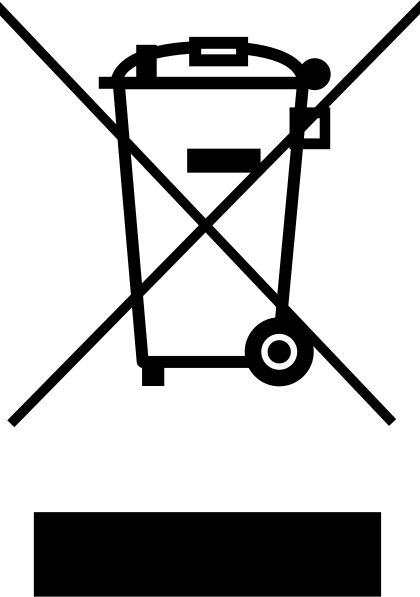
The crossed-out wheeled bin identifies electrical and electronic equipment for separate collection.

OPRL provides packaging recycling labels designed to help UK consumers decide what to do with each component.
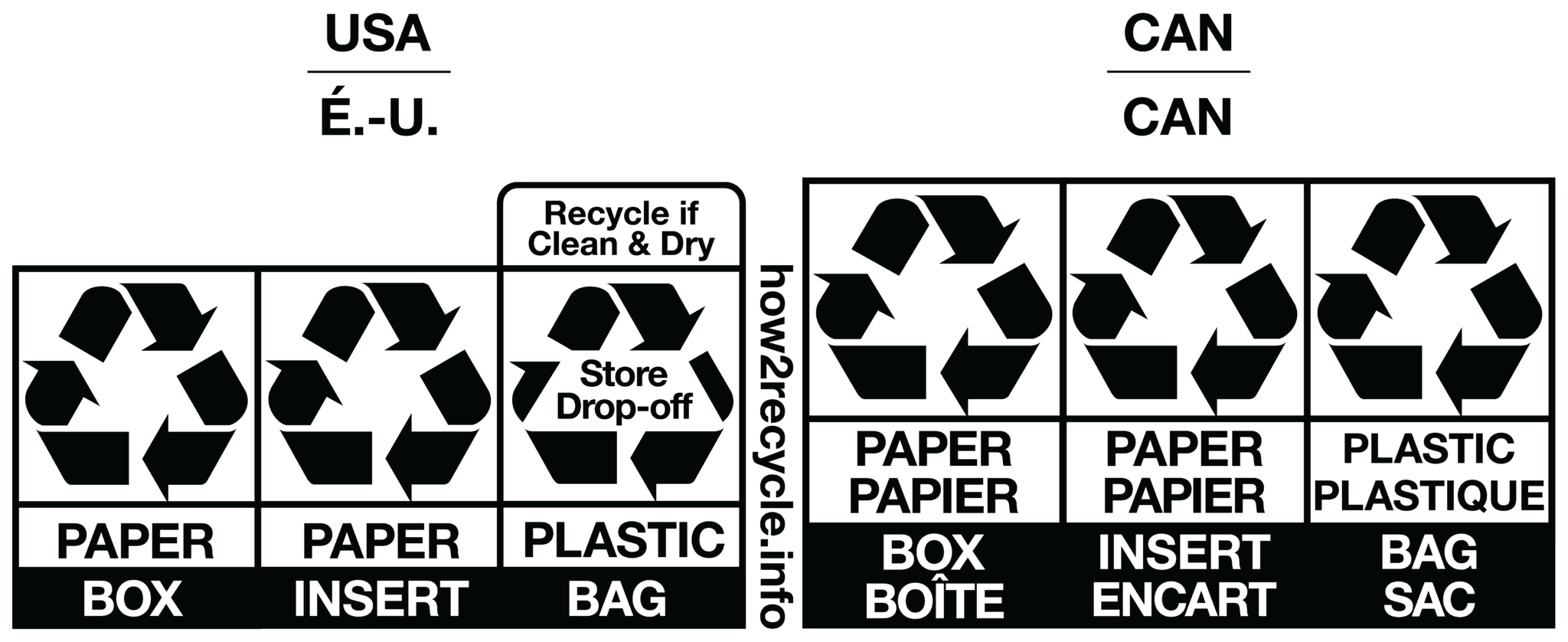
How2Recycle assigns packaging labels that explain disposal routes for individual components.
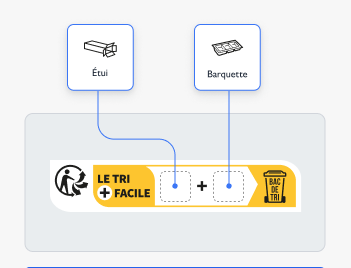
Find the official French packaging sorting resources and understand how Triman works with the Info-tri instructions.

An openly licensed repair symbol with a downloadable SVG and clear attribution instructions for designers.
Solidifyconceptdevelopment · CC BY 4.0The DPG mark belongs to Germany’s one-way beverage-container deposit system.
The Green Dot is a licensed packaging-system trademark familiar across European markets.

Japan’s paper packaging identifier distinguishes the applicable paper containers and wrapping within its identification system.

The Japanese プラ identifier is used for applicable plastic containers and packaging.

Japan has a specific aluminium-container identifier within its material-identification system.
The Japanese steel-container identifier helps distinguish the relevant steel cans in the material-identification system.
Japan’s PET-bottle identifier is part of a distinct identification route for applicable PET containers.
What the component is made from.

PET / PETE 1 identifies polyethylene terephthalate in a material coding system. Typical applications include drinks bottles and some food trays.
Bhutajata · CC0
PP 5 identifies polypropylene in a material coding system. Typical applications include tubs, closures and other polypropylene components.
Bhutajata · CC0
PAP 21 — Non-Corrugated Fibreboard identifies non-corrugated fibreboard in a material coding system. Typical applications include folding cartons and paperboard sleeves.
Anton Poliakov · CC BY-SA 4.0
HDPE / PE-HD 2 identifies high-density polyethylene in a material coding system. Typical applications include milk bottles and household-product containers.
Bhutajata · CC0
PVC / V 3 identifies polyvinyl chloride in a material coding system. Typical applications include some plastic packaging and other PVC articles.
Bhutajata · CC0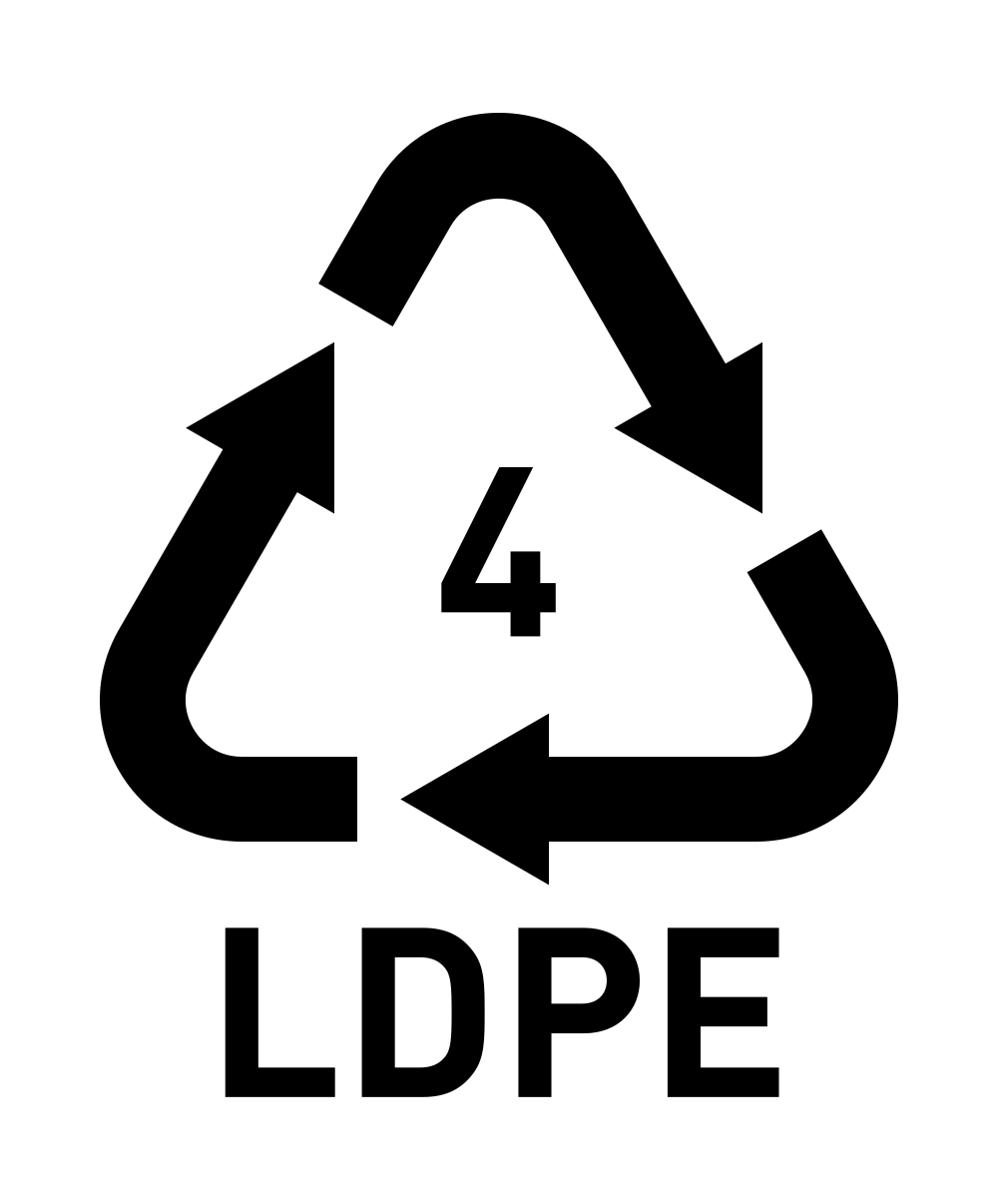
LDPE / PE-LD 4 identifies low-density polyethylene in a material coding system. Typical applications include flexible films and bags.
Bhutajata · CC0
PS 6 identifies polystyrene in a material coding system. Typical applications include rigid and expanded polystyrene packaging.
Bhutajata · CC0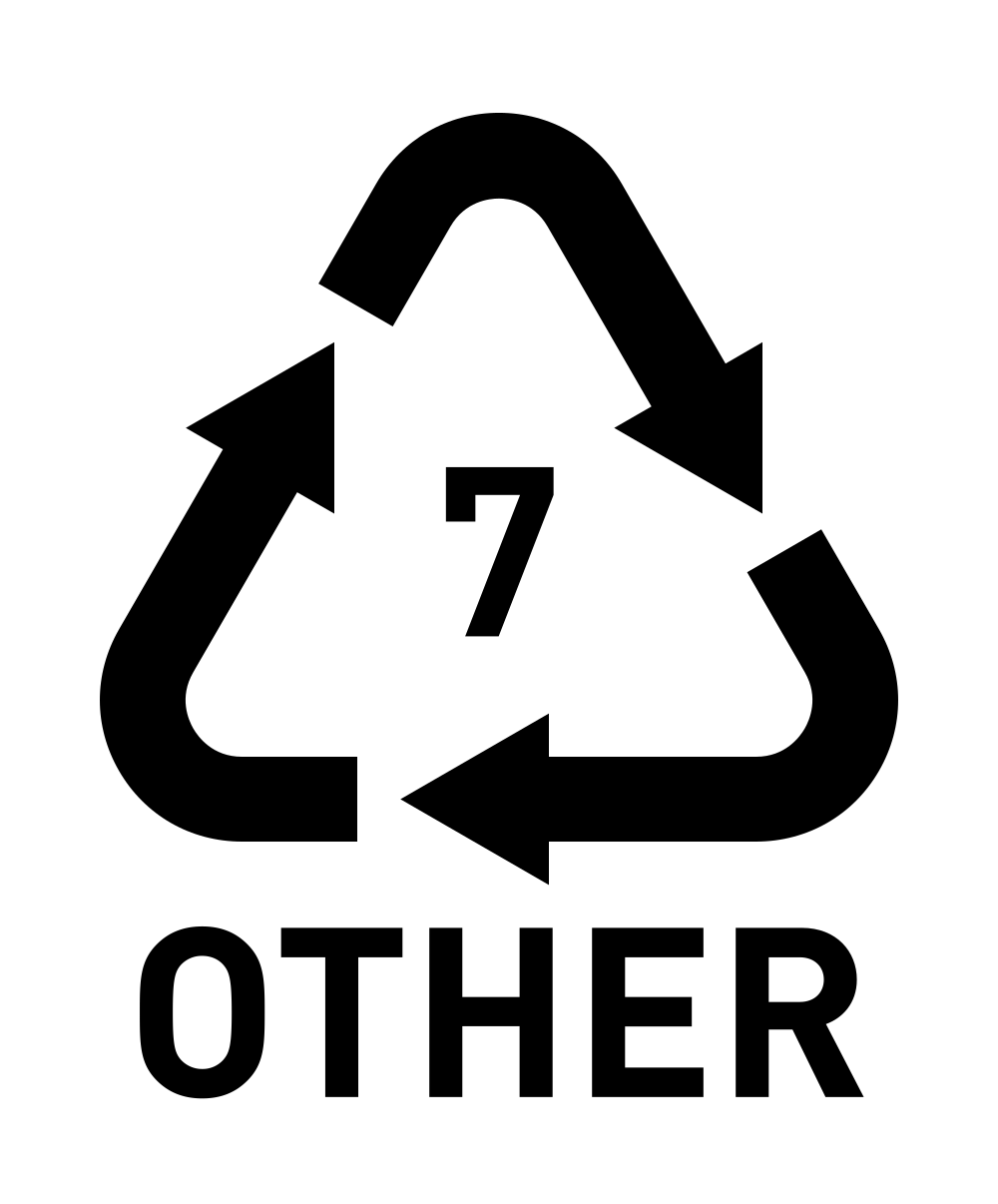
Other Plastics 7 identifies other plastic resins and combinations outside codes 1–6 in a material coding system. Typical applications include plastic articles requiring a more specific material description.
Bhutajata · CC0
PAP 20 — Corrugated Fibreboard identifies corrugated fibreboard in a material coding system. Typical applications include fluted shipping cartons.
Anton Poliakov · CC BY-SA 4.0
PAP 22 — Paper identifies paper in a material coding system. Typical applications include paper bags and wrapping paper.
Anton Poliakov · CC BY-SA 4.0
FE 40 — Steel identifies steel in a material coding system. Typical applications include steel cans and steel packaging components.
User:Moebius1 · Public domain
ALU 41 — Aluminium identifies aluminium in a material coding system. Typical applications include aluminium cans and foil components.
User:Moebius1 · Public domain
GL 70 — Clear Glass identifies colourless glass in a material coding system. Typical applications include clear glass bottles and jars.
User:Moebius1 · Public domain
GL 71 — Green Glass identifies green glass in a material coding system. Typical applications include green glass bottles.
User:Moebius1 · Public domain
GL 72 — Brown Glass identifies brown glass in a material coding system. Typical applications include amber glass bottles and jars.
User:Moebius1 · CC BY 2.5FOR 50 — Wood identifies wood in a material coding system. Typical applications include wooden packaging and crates.
FOR 51 — Cork identifies cork in a material coding system. Typical applications include cork packaging components.
TEX 60 — Cotton identifies cotton in a material coding system. Typical applications include cotton textile packaging.
TEX 61 — Jute identifies jute in a material coding system. Typical applications include jute sacks and textile packaging.
C/ followed by the dominant material abbreviation identifies composite packaging; the accompanying number identifies the material combination.
Opening, durability and product information.

The open-jar symbol communicates how long an applicable cosmetic can be used after opening.
NyxNyx · Public domain
The hourglass is associated with the date of minimum durability for applicable cosmetic products.
DeWikiMan · CC BY-SA 3.0
The hand-and-book symbol directs the user to accompanying information for a cosmetic product.
DeWikiMan · CC BY-SA 3.0The UVA circle communicates that a sunscreen meets the relevant recommended level of UVA protection.
Instructions for cartons, crates and fragile goods.

Handle breakable contents carefully. The wine-glass symbol is commonly printed on shipping cartons.
Sami Hult · Public domain
Keep the package upright in the direction of the two arrows during handling and storage.
Clemenspool · CC0
Protect the package from rain and moisture. The umbrella symbol is widely used on outer cartons.
Sami Hult · Public domain
Do not use hand hooks to move this package. The crossed hook flags a handling method that can damage its contents.
Clemenspool · CC0
Protect the package from direct sunlight. This mark is used where exposure could affect the contents.
Vectorization: Mrmw · Public domain
Marks where slings should be positioned to lift a packed item.
Vectorization: Mrmw · Public domain
Shows the position of the packed load’s centre of gravity to help plan handling.
· Public domain
Do not move this package by rolling it. Maintain the handling method specified for the load.
Clemenspool · CC0
Identifies a package location where a hand truck must not be inserted or used.
Clemenspool · CC0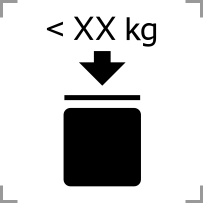
Shows the maximum load permitted above a package, normally accompanied by a mass value.
Clemenspool · CC0
Identifies the location where handling clamps may contact the package.
Clemenspool · CC0
A thermometer with lower and upper values identifies the permitted temperature range.
Vectorization: IngenieroLoco · Public domain
Warns that forklift tines must not be used at the marked package location.
Vectorization: Mrmw · Public domain
Warns of a protective barrier beneath the outer packaging that should remain intact.
Vectorization: Mrmw · Public domain
Points the receiver to the intended tear-opening location on a package.

Identifies electronics that can be damaged by electrostatic discharge during handling.
Food contact, fill quantities and age warnings.

The glass-and-fork symbol identifies materials or articles intended for contact with food.
European Union · Public domain
The ℮ mark accompanies a nominal weight or volume and relates to the average system of quantity control for packaged goods.
SevM · Public domain
The crossed-out 0–3 symbol communicates an age-related warning on toys that present a relevant hazard to children under three.
John Gustafsson · Public domainThe reversed epsilon is a conformity marking associated with aerosol dispensers under the applicable aerosol rules.
A manufacturer’s microwave-use symbol indicates suitability under the stated conditions. Drawings can vary between brands.
A dishwasher-use symbol communicates a manufacturer’s cleaning instruction for the marked product or component.
A freezer-use symbol communicates suitability for freezing within the manufacturer’s stated product limits.
An oven-use symbol identifies suitability for oven exposure within the manufacturer’s specified limits.
Washing, drying, ironing and professional care.

The washtub symbol identifies washing instructions. A number gives the maximum Celsius temperature; bars indicate gentler processes.
André Riemann · Public domain
A crossed-out triangle indicates that bleaching is not permitted.
André Riemann · Public domain
An iron symbol with dots identifies the permitted ironing severity for the textile.
André Riemann at de.wikipedia · Public domain
A hand in a washtub identifies a hand-washing instruction.
André Riemann · Public domain
A crossed-out washtub indicates that domestic washing is not permitted.
(A1000 15:52, 27 January 2008 (UTC)) · Public domain
The triangle identifies bleaching instructions; an empty triangle permits bleaching, while two diagonal lines restrict it to oxygen bleach.
André Riemann · Public domain
A circle inside a square identifies tumble-drying instructions. Dots specify the permitted drying severity.
André Riemann · Public domain
A crossed-out circle inside a square prohibits tumble drying.
André Riemann · Public domain
Lines inside a square specify natural drying: line drying, flat drying and drip-drying variants.
André Riemann · Public domain
A crossed-out iron indicates that ironing is not permitted.
André Riemann · Public domain
A letter inside a circle identifies a professional cleaning process. Bars modify the process severity.
André Riemann · Public domainPower, insulation and protection markings.
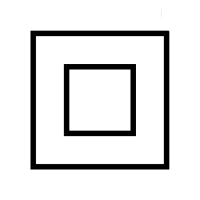
A square inside a square identifies Class II electrical equipment with double or reinforced insulation.

The house outline identifies electrical equipment intended for indoor use.
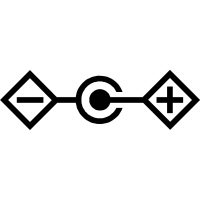
Shows the positive and negative connections of a direct-current power connector.

The wave symbol identifies alternating-current supply or a relevant AC terminal.
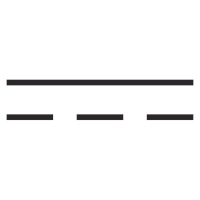
The straight line over a dashed line identifies direct current or a relevant DC terminal.
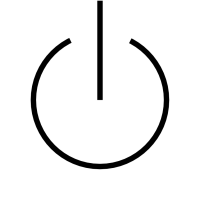
The broken-circle power symbol identifies a standby control or position.

An IP code describes tested enclosure protection against access, solid objects and water under specified conditions.
Traceability, sterile barriers and use instructions.

Identifies the legal manufacturer on a medical-device label.

The crossed-out 2 indicates that a medical device is intended for a single use.

Warns against using a device with damaged packaging and directs the user to its instructions.

Identifies when a medical device was manufactured.

Identifies the date after which a medical device is not to be used.
Identifies a production batch or lot on a medical-device label.

Identifies the manufacturer’s catalogue reference for a medical device.

Identifies an individual medical device using its manufacturer-assigned serial number.

Identifies the entity importing the medical device into a market.

Identifies a medical device supplied after a sterilisation process.

The STERILE EO marking identifies ethylene-oxide sterilisation.

The STERILE R marking identifies sterilisation using irradiation.

Identifies a medical device sterilised using steam or dry heat.
Indicates that a medical device must not be sterilised again.

Indicates that a medical device has not undergone a sterilisation process.

Identifies a packaging system with one sterile barrier.

Identifies a packaging system with two sterile barriers.

Identifies a single sterile barrier with protective packaging inside it.

Identifies a single sterile barrier with protective packaging outside it.

Identifies the acceptable humidity range for a medical device.

Identifies the atmospheric pressure range to which a medical device may be exposed.

Directs the user to the medical device’s instructions for use.
Flags the need for caution and relevant information in a medical device’s instructions.

Indicates the presence of natural rubber latex in a medical device or its packaging as applicable.

Identifies a medical device that may be used multiple times by one patient.

The MD symbol identifies an item as a medical device in the relevant labelling context.

Identifies the carrier containing a medical device’s unique device identification information.
Hazard pictograms, cleaning instructions and transport marks.

Flammable and related hazards.

Skin, eye or metal-corrosion hazards.

Irritant and other specified health hazards.
The lithium-battery mark is used for qualifying battery shipments under the relevant transport provisions.
The Class 9 lithium-battery hazard label identifies applicable regulated battery shipments.
The UN specification mark records information about a tested packaging design and its approved use.

Oxidising hazards.

Explosive and related hazards.

Severe acute toxicity.

Gases under pressure.

Specified serious health hazards.

Aquatic environmental hazards.
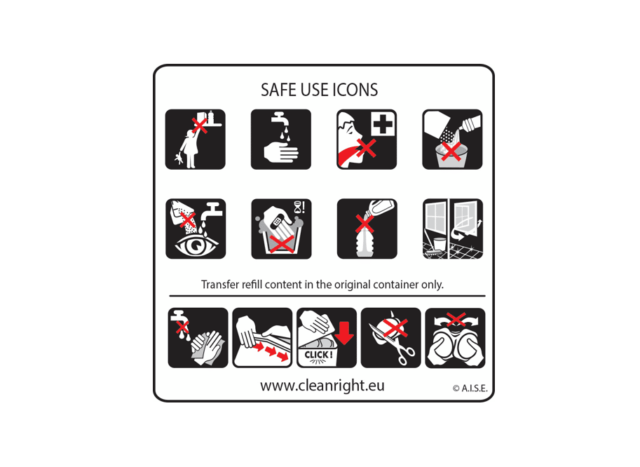
A.I.S.E.’s safe-use icon set provides practical handling reminders for household cleaning products.
Each guide separates the symbol’s meaning from the artwork’s usage terms. Community drawings are labelled and credited. Licensed trademarks and regulated markings link to their responsible organisations. Keep the source with your artwork brief.
Open your saved collection